




The Essential Role of Metal Enclosures in Electronic Components
Metal enclosures play a crucial role in the protection and functionality of electronic components. These enclosures are typically crafted from various metals, including aluminum and steel, providing both structural integrity and shielding against environmental factors. The importance of metal enclosures extends beyond mere aesthetics; they are vital for several reasons.
First and foremost, metal enclosures offer robust protection to sensitive electronic components. By encasing circuit boards, connectors, and other fragile parts, these enclosures shield them from physical damage, dust, moisture, and electromagnetic interference (EMI). This protection is especially crucial in demanding environments, such as industrial settings or outdoor applications, where electronic devices are often exposed to harsh conditions.
Another significant advantage of metal enclosures is their ability to dissipate heat. Electronic components generate heat during operation, which, if not managed effectively, can lead to malfunction or reduced lifespan. Metal enclosures can act as heat sinks, effectively drawing heat away from components and maintaining optimal operating temperatures. This thermal management capability is essential for improving the reliability and longevity of electronic devices.
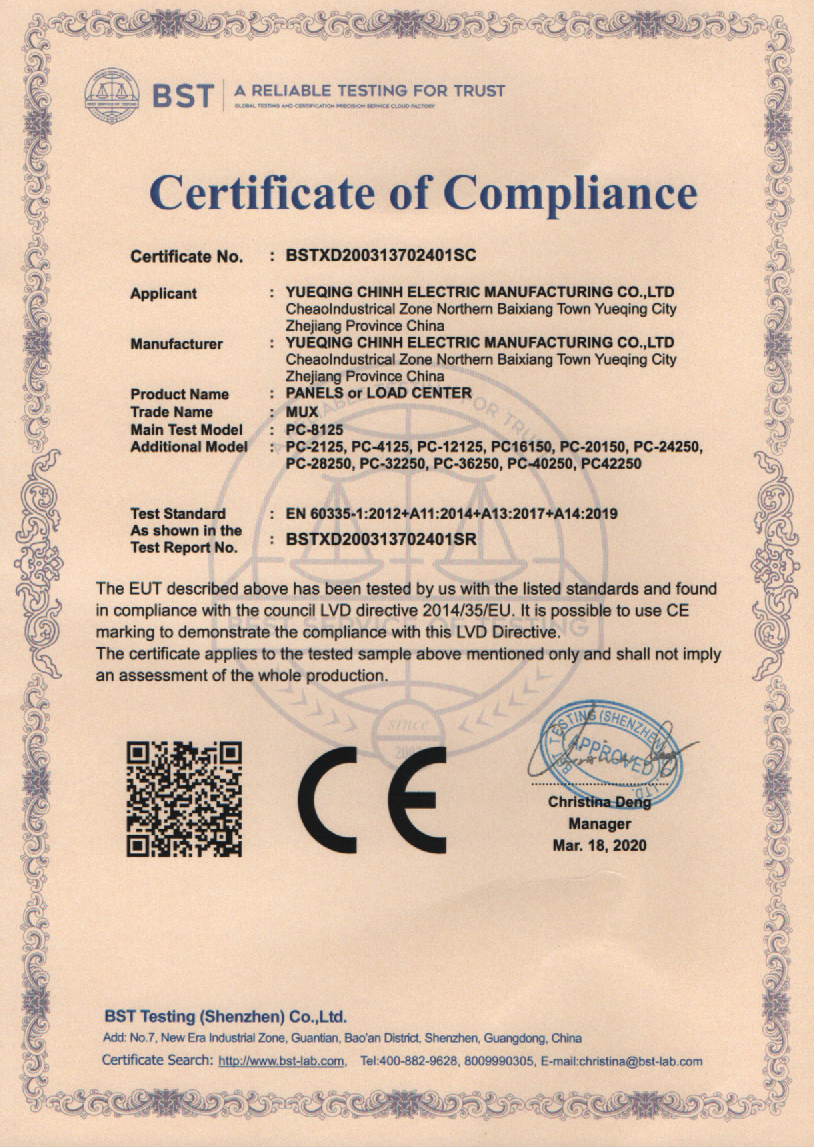
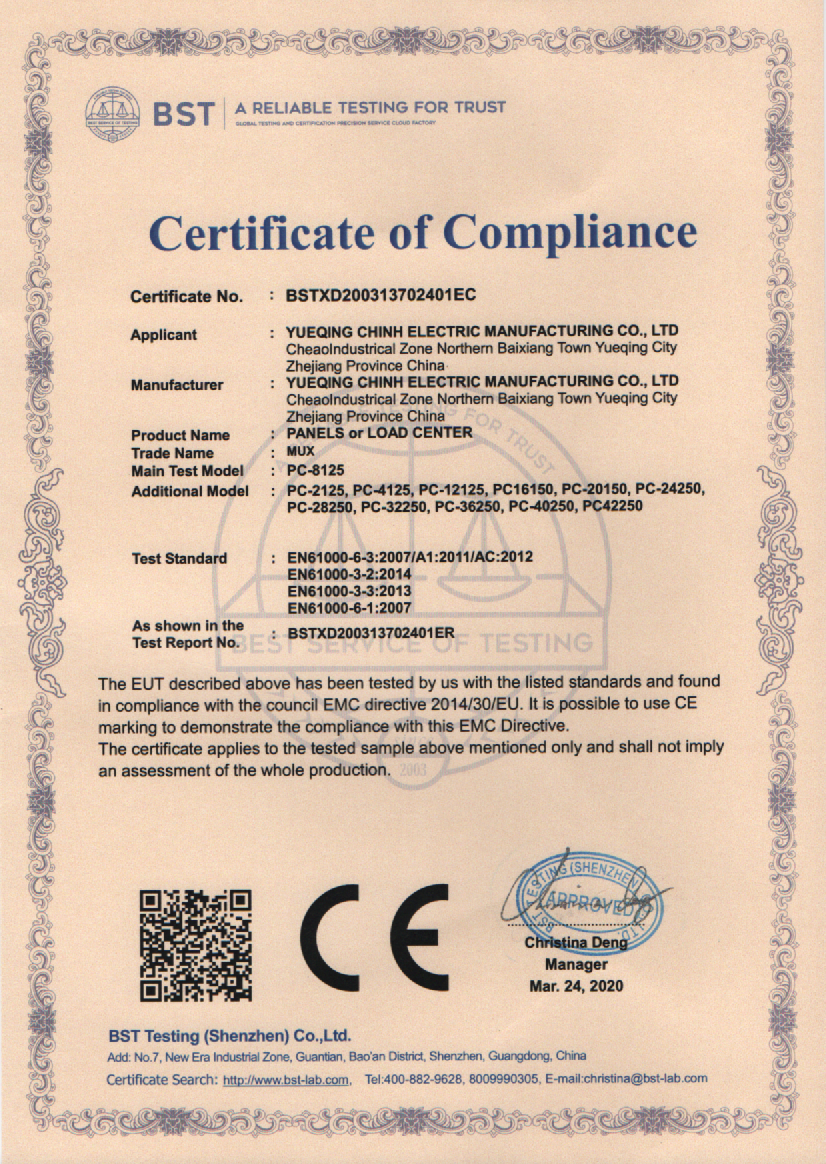
Additionally, metal enclosures are often designed to meet specific regulatory standards and certifications. In various industries, compliance with safety and performance regulations is paramount. Metal enclosures can be engineered to meet these requirements, ensuring that electronic devices are safe for use and can withstand the rigors of their intended applications. This is particularly important in sectors such as telecommunications, automotive, and medical devices.
In terms of customization, metal enclosures can be tailored to meet the unique requirements of specific projects. They can be manufactured in various shapes and sizes, with openings for connectors and ports, ventilation features, and even custom finishes. This flexibility allows engineers and designers to create solutions that fit seamlessly into their overall product designs while ensuring functionality and protection.
Moreover, the aesthetics of metal enclosures should not be overlooked. While functionality is key, the visual appeal of an electronic device can also influence consumer perception. A well-designed metal enclosure can enhance the overall look of a product, contributing to brand identity and user satisfaction.
In conclusion, metal enclosures are indispensable in the realm of electronic components. They provide essential protection, heat management, and compliance with industry standards while also allowing for customization and aesthetic appeal. Understanding the role and benefits of metal enclosures can help businesses make informed decisions regarding their electronic designs, ensuring both performance and reliability in their products.
Relevant news

undefined
language
English
العربية
বাংলাদেশ
Български
Hrvatski
Česky
Dansk
Nederland
 Esperanto
Slovenski
Filipino
Suomi
Français
Maori
 Shqiptare
Georgian
 Euskara
Deutsch
Ελλάδα
ישראל
इंडिया
Magyarország
Ísland
Indonesia
Irlanda
Italia
日本語
Sovensko
Հայաստան
한국
Kyrgyz
ປະເທດລາວ
 Zulu
Latvian
Lithuanian
Luxembourgish
 Latinus
Macedonian
Малайская
Maltese
Монгол улс
 Cymraeg
ဗမာ
 தமிழ்
नेपाल
Norge
ایران
Polska
Portugal
România
Российская
Србија
 Slovak
Србија
 Slovak
Bosanski
Slovenian
Беларус
España
Sverige
Точик
ประเทศไทย
Türk
Azərbaycan
Uzbek
 Afrikaans
Việt Nam
Chinh Electric Manufacturing Co., Ltd. SEO Powered by www.300.cn