




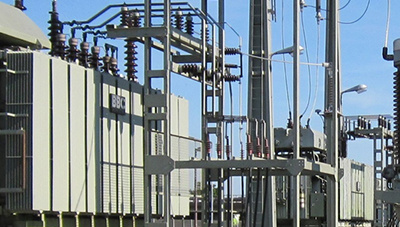


Understanding Circuit Breakers: Essential Components for Safety in Electrical Systems
Circuit breakers are crucial components in modern electrical systems, serving as protective devices that interrupt the flow of electricity in the event of an overload or short circuit. By doing so, they help prevent electrical fires, equipment damage, and ensure the safety of individuals working with or around electrical installations. Understanding the operation and significance of circuit breakers is essential for professionals in the electronics and electrical engineering fields.
At its core, a circuit breaker automatically detects faults within an electrical circuit and interrupts the current flow when necessary. This action effectively isolates the fault, preventing potential hazards. Circuit breakers come in various types, each designed to meet specific requirements. The most common types include thermal, magnetic, and combination circuit breakers.
Thermal circuit breakers operate based on the heat generated by the electrical current. When the current exceeds a predetermined threshold, the heat causes a bimetallic strip to bend, triggering the breaker to trip and disconnect the power. This type is widely used in household applications and general-purpose circuits.
Magnetic circuit breakers, on the other hand, rely on electromagnetic forces to detect overload conditions. When a surge in current occurs, it creates a magnetic field strong enough to pull a lever and trip the breaker. These breakers are typically used in industrial settings, where rapid response to short circuits is critical for protecting sensitive equipment.
Combination circuit breakers incorporate both thermal and magnetic mechanisms, offering a comprehensive solution for a wide range of applications. This versatility makes them particularly beneficial in environments where both overload and short circuit protection are necessary.
In addition to their protective functions, circuit breakers also play a role in the maintenance and management of electrical systems. They allow for safe disconnection of circuits for repairs or upgrades without the need to remove fuses or disrupt the entire electrical system. This feature enhances safety and efficiency, particularly in complex electrical networks.
When selecting a circuit breaker, professionals must consider various factors, including the specific application, voltage rating, current rating, and the environment in which the breaker will operate. Ensuring the appropriate circuit breaker is in place can significantly enhance the safety and reliability of electrical systems.
In summary, circuit breakers are indispensable in safeguarding electrical circuits from faults. Their ability to automatically interrupt current flow not only protects equipment and infrastructure but also enhances overall safety for users. Understanding the different types of circuit breakers and their specific applications empowers professionals to make informed decisions that contribute to safer electrical practices.
Relevant news

undefined
language
English
العربية
বাংলাদেশ
Български
Hrvatski
Česky
Dansk
Nederland
 Esperanto
Slovenski
Filipino
Suomi
Français
Maori
 Shqiptare
Georgian
 Euskara
Deutsch
Ελλάδα
ישראל
इंडिया
Magyarország
Ísland
Indonesia
Irlanda
Italia
日本語
Sovensko
Հայաստան
한국
Kyrgyz
ປະເທດລາວ
 Zulu
Latvian
Lithuanian
Luxembourgish
 Latinus
Macedonian
Малайская
Maltese
Монгол улс
 Cymraeg
ဗမာ
 தமிழ்
नेपाल
Norge
ایران
Polska
Portugal
România
Российская
Србија
 Slovak
Србија
 Slovak
Bosanski
Slovenian
Беларус
España
Sverige
Точик
ประเทศไทย
Türk
Azərbaycan
Uzbek
 Afrikaans
Việt Nam
Chinh Electric Manufacturing Co., Ltd. SEO Powered by www.300.cn