




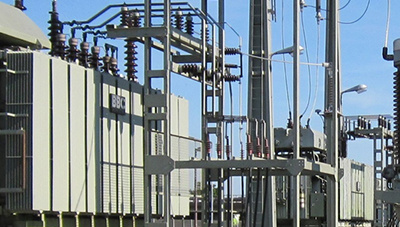


Understanding Meter Bases: Essential Components for Electrical Systems
Meter bases are essential components in the realm of electrical systems, acting as a critical junction where electricity from the utility provider is metered before it is distributed throughout a building. These devices not only facilitate the measurement of energy consumption but also ensure that the electrical installation adheres to safety regulations and operational standards.
A typical meter base is constructed from durable materials such as metal or reinforced plastic to withstand environmental factors and potential wear over time. Inside the meter base, electrical connections are made that link the meter itself to the main electrical panel of the building. This direct connection allows for accurate monitoring of electricity usage, which is vital for billing purposes and energy management.
There are several types of meter bases available, tailored for different applications and environments. For instance, the most common type is the single-phase meter base, typically used in residential settings. In contrast, three-phase meter bases are designed for commercial or industrial applications where higher power loads are present. Selecting the appropriate meter base is important to ensure compatibility with the electrical system and the energy requirements of the building.
In addition to their primary function of energy measurement, meter bases also contribute to the safety of electrical systems. They are equipped with protective features, such as weatherproof enclosures, to prevent moisture and dust from interfering with electrical connections. This protection is vital, as compromised connections can pose significant fire hazards or lead to equipment failures.
Furthermore, meter bases must comply with various electrical codes and standards that govern their installation and usage. This ensures that they provide reliable performance while safeguarding users against electrical hazards. It is crucial for electrical professionals to stay updated on regulations concerning meter installations, as violations can lead to safety risks and legal repercussions.
Maintenance of meter bases is another important aspect to consider. Regular inspections can help identify potential issues, such as corrosion or loose connections, that might affect performance. By ensuring that meter bases are kept in optimal condition, electrical systems can operate more efficiently, reducing the risk of outages or malfunctions.
In summary, understanding the function and importance of meter bases is essential for anyone involved in electrical system design and installation. Their role in measuring electricity usage, ensuring safety, and compliance with regulations cannot be overstated. For those working in the electronic components industry, having a comprehensive grasp of meter bases and their applications is vital for successful project execution and client satisfaction.
Relevant news

undefined
language
English
العربية
বাংলাদেশ
Български
Hrvatski
Česky
Dansk
Nederland
 Esperanto
Slovenski
Filipino
Suomi
Français
Maori
 Shqiptare
Georgian
 Euskara
Deutsch
Ελλάδα
ישראל
इंडिया
Magyarország
Ísland
Indonesia
Irlanda
Italia
日本語
Sovensko
Հայաստան
한국
Kyrgyz
ປະເທດລາວ
 Zulu
Latvian
Lithuanian
Luxembourgish
 Latinus
Macedonian
Малайская
Maltese
Монгол улс
 Cymraeg
ဗမာ
 தமிழ்
नेपाल
Norge
ایران
Polska
Portugal
România
Российская
Србија
 Slovak
Србија
 Slovak
Bosanski
Slovenian
Беларус
España
Sverige
Точик
ประเทศไทย
Türk
Azərbaycan
Uzbek
 Afrikaans
Việt Nam
Chinh Electric Manufacturing Co., Ltd. SEO Powered by www.300.cn