




Understanding A.T.S Switch: A Key Component in Power Distribution Systems
---
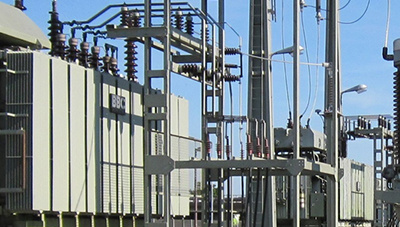
The Automatic Transfer Switch (A.T.S switch) is an essential component in power distribution systems, widely used in various applications, including commercial and industrial settings. Its primary function is to ensure a seamless transition between primary and backup power sources, which is critical for maintaining system reliability and operational efficiency.
The A.T.S switch operates by automatically detecting power failures or fluctuations in the primary power supply. Once a disruption is detected, the A.T.S switch swiftly activates the backup power source—commonly a generator—ensuring that there is little to no interruption in power supply. This feature is particularly vital for facilities that rely on continuous power, such as hospitals, data centers, and manufacturing plants.
One of the key advantages of using an A.T.S switch is its ability to reduce downtime. In the event of a power outage, manual intervention can lead to significant delays in restoring power. The automatic nature of the A.T.S switch eliminates human error and speeds up the recovery process, thereby maintaining operational continuity. Furthermore, many contemporary A.T.S switches come equipped with advanced monitoring capabilities, allowing users to assess power usage, identify trends, and manage energy consumption more effectively.
In terms of installation, A.T.S switches can be integrated into various electrical systems, including those utilizing renewable energy sources. For instance, when connected to solar panels or wind turbines, an A.T.S switch can facilitate a combination of grid and renewable energy, optimizing overall energy efficiency. This capability is increasingly important as more organizations seek to implement sustainable practices within their operations.
When selecting an A.T.S switch, several factors should be considered. Understanding the load requirements of your facility, the voltage levels, and the specific configuration of your electrical system are crucial to ensuring compatibility and performance. There are different types of A.T.S switches available, including open-transition, closed-transition, and static transfer switches, each designed for specific operational needs.
In conclusion, the A.T.S switch plays a vital role in enhancing the reliability of power distribution systems. By automating the power transfer process, it not only minimizes downtime but also supports the efficient management of energy resources. For professionals in the electrical engineering field, being informed about the functionality and benefits of A.T.S switches is essential for optimizing power systems and ensuring seamless operations. By integrating these switches into your infrastructure, you can significantly improve the resilience and efficiency of your power distribution strategies.
Relevant news

undefined
language
English
العربية
বাংলাদেশ
Български
Hrvatski
Česky
Dansk
Nederland
 Esperanto
Slovenski
Filipino
Suomi
Français
Maori
 Shqiptare
Georgian
 Euskara
Deutsch
Ελλάδα
ישראל
इंडिया
Magyarország
Ísland
Indonesia
Irlanda
Italia
日本語
Sovensko
Հայաստան
한국
Kyrgyz
ປະເທດລາວ
 Zulu
Latvian
Lithuanian
Luxembourgish
 Latinus
Macedonian
Малайская
Maltese
Монгол улс
 Cymraeg
ဗမာ
 தமிழ்
नेपाल
Norge
ایران
Polska
Portugal
România
Российская
Србија
 Slovak
Србија
 Slovak
Bosanski
Slovenian
Беларус
España
Sverige
Точик
ประเทศไทย
Türk
Azərbaycan
Uzbek
 Afrikaans
Việt Nam
Chinh Electric Manufacturing Co., Ltd. SEO Powered by www.300.cn