




Top Features to Look for in Plug In Type Circuit Breakers: A Comprehensive Guide
Top Features to Look for in Plug In Type Circuit Breakers
Introduction to Plug In Type Circuit Breakers
In today's electrical landscape, **plug-in type circuit breakers** have emerged as a pivotal component for safeguarding electrical systems. Unlike traditional circuit breakers, these devices offer enhanced flexibility and ease of use, making them ideal for various applications. Understanding the **key features** of plug-in type circuit breakers is essential for ensuring safety and efficiency in electrical installations. In this article, we will explore the critical aspects to consider when selecting the right plug-in type circuit breaker for your needs.
Table of Contents
1. Understanding the Importance of Breaker Ratings
2. Thermal and Magnetic Tripping Mechanisms
3. Compatibility with Electrical Systems
4. Ease of Installation and Maintenance
5. Safety Features of Circuit Breakers
6. Design and Build Quality
7. Brand Reputation and Certifications
8. Cost Considerations for Plug In Type Circuit Breakers
9. Frequently Asked Questions
10. Conclusion
Understanding the Importance of Breaker Ratings
When selecting a plug-in type circuit breaker, one of the foremost considerations is its **rating**. This includes the **current rating**, which indicates the maximum current the breaker can handle without tripping. It's essential to choose a circuit breaker with a rating that aligns with the electrical load of your system. Overrated breakers may not provide adequate protection, while underrated ones may trip frequently, leading to operational inefficiencies.
Additionally, pay attention to the **voltage rating** and the **short-circuit current rating** (SCCR). The voltage rating defines the maximum voltage that the circuit breaker can operate within, while the SCCR indicates the maximum fault current the breaker can withstand. Ensuring these ratings match your electrical system requirements will enhance safety and reliability.
Thermal and Magnetic Tripping Mechanisms
Understanding the tripping mechanisms of plug-in type circuit breakers is critical for optimal performance. Most circuit breakers employ a combination of **thermal** and **magnetic tripping** methods.
- **Thermal Tripping**: This mechanism relies on heat generated by excess current. When the current exceeds the breaker's rating for a prolonged period, a bimetallic strip bends and trips the breaker, cutting off the current flow. This feature is vital for protecting against **overload conditions**.
- **Magnetic Tripping**: This method utilizes an electromagnetic coil. In the event of a short circuit, the rapid increase in current induces a magnetic field that trips the breaker almost instantaneously. This feature is crucial for protecting against **short circuits**, preventing potential damage to electrical devices.
Selecting a circuit breaker that integrates both tripping mechanisms provides comprehensive protection for your electrical system.
Compatibility with Electrical Systems
Compatibility is another significant factor to consider when choosing plug-in type circuit breakers. Ensure that the circuit breaker you select is compatible with your existing **electrical panel** and devices. Plug-in breakers are designed to fit specific panel types, and using the wrong breaker can lead to improper operation or damage.
Moreover, consider the **environmental conditions** of your installation location. If the circuit breaker will be exposed to extreme temperatures, humidity, or dust, opt for models designed to withstand these conditions. This will ensure optimal performance and longevity.
Ease of Installation and Maintenance
The installation process of plug-in type circuit breakers should be straightforward. Look for models that feature **user-friendly designs**, allowing for quick installation without requiring extensive technical expertise. Additionally, consider how easy it is to replace or reset the breaker when necessary.
Regular maintenance is equally crucial for the longevity of your circuit breaker. Select models that provide access to critical components for inspection and cleaning without disassembling the entire unit. Some breakers also come with indicators that show their operational status, making it easier to monitor their functionality.
Safety Features of Circuit Breakers
Safety must always be a priority when selecting circuit breakers. Look for plug-in type circuit breakers that include **advanced safety features**, such as:
- **Surge Protection**: This feature safeguards against voltage spikes, which can damage electrical equipment.
- **Ground Fault Protection**: This mechanism detects ground faults and disconnects the circuit to prevent electrical shocks.
- **Arc-Fault Detection**: This technology identifies dangerous arc faults that can lead to fires and disconnects the power promptly.
Incorporating these safety features will significantly enhance the protection of your electrical systems.
Design and Build Quality
The design and build quality of plug-in type circuit breakers are indicative of their performance and reliability. Choose breakers constructed from **durable materials** that can withstand wear and tear over time. High-quality materials, such as flame-retardant plastics and corrosion-resistant metals, will improve the breaker's lifespan and functionality.
Additionally, consider the **compactness** of the design. A smaller footprint can be advantageous in tight electrical panel spaces, allowing for better organization and accessibility.
Brand Reputation and Certifications
When it comes to electrical components, the reputation of the manufacturer plays a crucial role in ensuring product quality. Opt for well-known brands that are recognized for their reliability and performance in the industry.
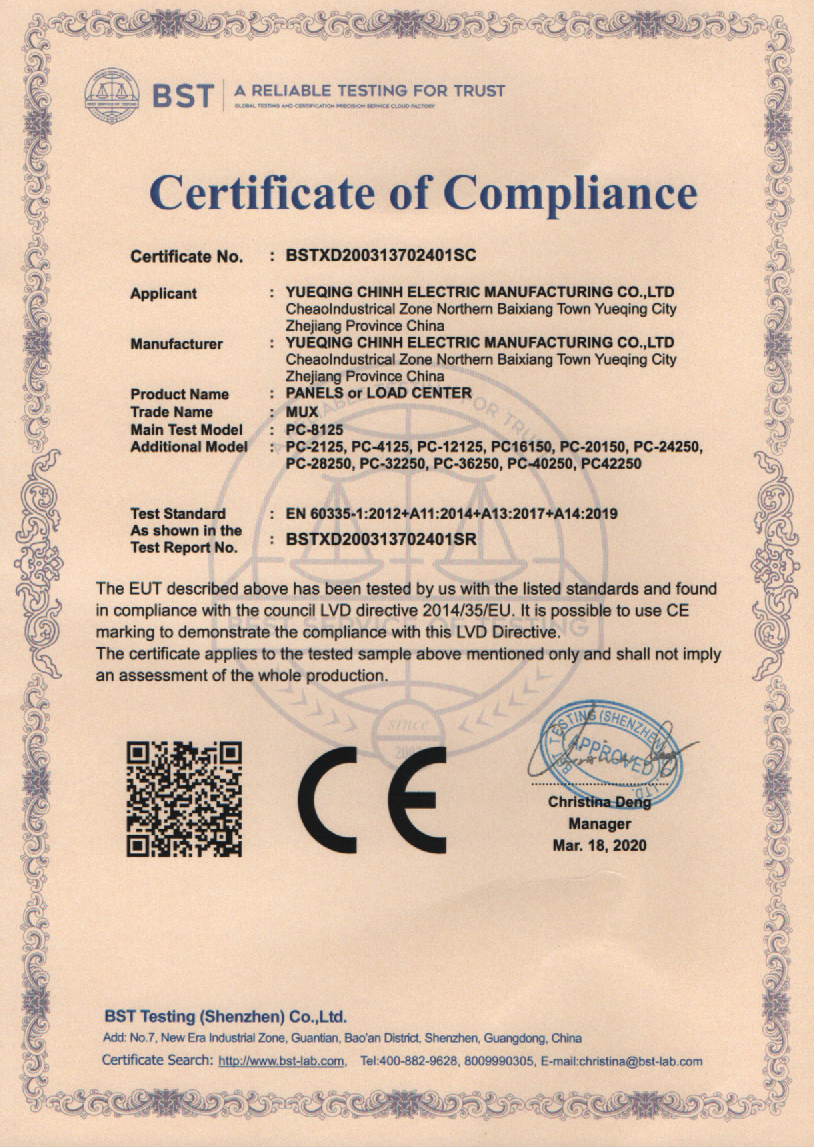
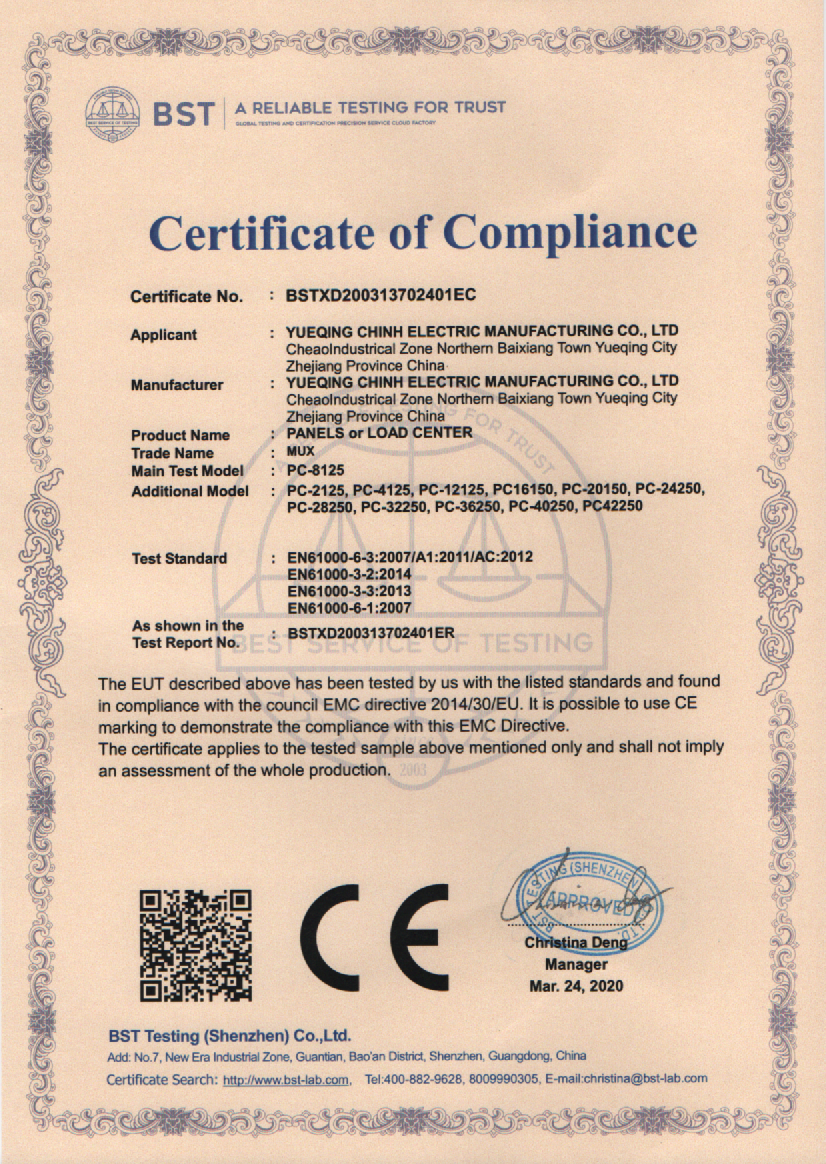
Furthermore, look for certifications from regulatory bodies such as the **Underwriters Laboratories (UL)** or the **International Electrotechnical Commission (IEC)**. These certifications indicate that the product meets specific safety and performance standards, providing peace of mind regarding its reliability.
Cost Considerations for Plug In Type Circuit Breakers
While cost should not be the sole deciding factor, it’s essential to consider your budget when selecting plug-in type circuit breakers. Prices can vary significantly based on features, brand, and specifications.
Investing in a higher-quality breaker may result in reduced maintenance costs and improved longevity, ultimately saving you money in the long run. It’s wise to balance cost with value, ensuring that you select a breaker that meets your needs without compromising safety and performance.
Frequently Asked Questions
1. What is the difference between plug-in type and panel-mounted circuit breakers?
Plug-in type circuit breakers are designed to be inserted into an electrical panel, allowing for easy replacement and installation. Panel-mounted breakers are fixed and require more extensive installation procedures.
2. How can I determine the correct rating for my circuit breaker?
To determine the appropriate rating, calculate the total electrical load of your devices and ensure the breaker’s rating exceeds this load to provide adequate protection.
3. Are plug-in type circuit breakers more expensive than traditional breakers?
Generally, plug-in type circuit breakers may have a higher upfront cost due to their advanced features and ease of installation. However, they can save money over time through reduced labor and maintenance costs.
4. Can I replace a plug-in type circuit breaker myself?
If you have basic electrical knowledge and experience, you can replace a plug-in circuit breaker. However, for safety reasons, it’s recommended to consult a licensed electrician.
5. How often should circuit breakers be inspected or replaced?
Inspect circuit breakers annually for any signs of wear or failure. Replace them immediately if you notice any issues or if they frequently trip, as this may indicate underlying electrical problems.
Conclusion
Selecting the right plug-in type circuit breaker is pivotal for the safety and efficiency of your electrical systems. By understanding the key features to look for—such as breaker ratings, tripping mechanisms, compatibility, safety features, and brand reputation—you can make an informed decision that enhances both performance and safety. Investing time in choosing the right circuit breaker will pay dividends in ensuring the longevity and reliability of your electrical installations. Remember to prioritize quality and safety to protect your valuable electrical devices and infrastructure.
Relevant news

undefined
language
English
العربية
বাংলাদেশ
Български
Hrvatski
Česky
Dansk
Nederland
 Esperanto
Slovenski
Filipino
Suomi
Français
Maori
 Shqiptare
Georgian
 Euskara
Deutsch
Ελλάδα
ישראל
इंडिया
Magyarország
Ísland
Indonesia
Irlanda
Italia
日本語
Sovensko
Հայաստան
한국
Kyrgyz
ປະເທດລາວ
 Zulu
Latvian
Lithuanian
Luxembourgish
 Latinus
Macedonian
Малайская
Maltese
Монгол улс
 Cymraeg
ဗမာ
 தமிழ்
नेपाल
Norge
ایران
Polska
Portugal
România
Российская
Србија
 Slovak
Србија
 Slovak
Bosanski
Slovenian
Беларус
España
Sverige
Точик
ประเทศไทย
Türk
Azərbaycan
Uzbek
 Afrikaans
Việt Nam
Chinh Electric Manufacturing Co., Ltd. SEO Powered by www.300.cn