




Understanding the Functionality of AC Contactors in Power Control
Understanding the Functionality of AC Contactors in Power Control
Table of Contents
- 1. Introduction to AC Contactors
- 2. What Are AC Contactors?
- 3. How AC Contactors Work
- 4. Types of AC Contactors
- 5. Applications of AC Contactors in Power Control
- 6. Advantages of Using AC Contactors
- 7. Maintenance and Safety Tips for AC Contactors
- 8. Frequently Asked Questions (FAQs)
- 9. Conclusion
1. Introduction to AC Contactors
In the realm of electrical engineering, **AC contactors** serve as pivotal components in the management and distribution of electrical power. Their role extends from simple switching operations to complex automation tasks, thereby ensuring that electrical systems operate smoothly and efficiently. This article aims to provide a thorough understanding of the functionality of AC contactors, elucidating their significance in power control systems.
2. What Are AC Contactors?
AC contactors are electrically controlled switches designed to manage the flow of alternating current (AC) in various applications. Typically used in industrial and commercial settings, these devices allow for the safe and efficient control of electrical circuits. They function by utilizing an electromagnetic coil to open or close contacts, thereby completing or interrupting the electrical circuit.
The primary components of an AC contactor include:
- **Electromagnetic Coil**: Generates a magnetic field when energized, enabling the contact mechanism.
- **Contacts**: Conductors made of conductive materials that either connect or disconnect based on the coil's state.
- **Enclosure**: Protects the internal components from external factors such as dust and moisture.
3. How AC Contactors Work
The operation of AC contactors hinges on the principle of electromagnetism. When an electrical current passes through the coil, it generates a magnetic field around it. This magnetic field attracts a movable contact arm, causing it to either connect or disconnect the fixed contacts.
**Step-by-Step Operation**:
1. **Energizing the Coil**: When a control voltage is applied to the coil, it becomes energized and creates a magnetic field.
2. **Contact Closure**: The magnetic field pulls the contact arm down, closing the contacts and completing the circuit. This allows electrical current to flow to the connected load.
3. **De-energizing the Coil**: When the control voltage is removed, the coil loses its magnetism, and a spring mechanism returns the contact arm to its original position, opening the contacts and interrupting the current flow.
This process allows for rapid switching of electrical loads with minimal wear and tear on the components, which enhances their lifespan and reliability.
4. Types of AC Contactors
AC contactors come in various types, each designed for specific applications and operational requirements. Understanding these types can help in selecting the appropriate contactor for a given task.
4.1 Standard AC Contactors
These are the most commonly used contactors, suitable for a wide range of applications, including lighting and motor control.
4.2 Motor Starters
Motor starters incorporate overload protection alongside standard contactor functions, protecting motors from damage caused by excessive current.
4.3 Auxiliary Contactors
Auxiliary contactors are used in conjunction with main contactors to provide additional switching options, allowing for more complex control schemes.
4.4 Smart Contactors
Equipped with integrated control features, smart contactors can be programmed for enhanced automation and remote operation, making them ideal for modern smart grids and buildings.
5. Applications of AC Contactors in Power Control
AC contactors are instrumental in numerous applications across various industries. Their versatility makes them a preferred choice for anyone looking to manage electrical systems effectively.
5.1 Industrial Automation
In manufacturing facilities, AC contactors control motors, conveyors, and machinery, ensuring smooth operations and reducing downtime.
5.2 HVAC Systems
In heating, ventilation, and air conditioning (HVAC) systems, contactors manage the switching of compressors and fans, optimizing energy consumption.
5.3 Lighting Control
For commercial and residential buildings, AC contactors are used to automate lighting systems, providing energy savings and enhancing user convenience.
5.4 Power Distribution Systems
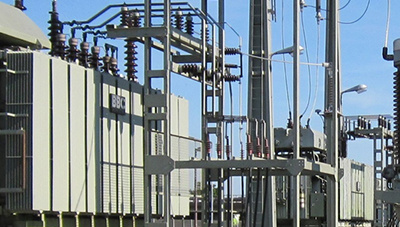
In power distribution networks, contactors play a crucial role in managing loads and providing protection against electrical faults and overloads.
6. Advantages of Using AC Contactors
Utilizing AC contactors offers numerous advantages that enhance both operational efficiency and safety in electrical systems.
6.1 Reliable Performance
AC contactors are designed for durability and reliability, ensuring consistent performance over extended periods.
6.2 Energy Efficiency
These devices enable effective energy management, reducing wastage and leading to lower operational costs.
6.3 Enhanced Safety
By providing overload protection and circuit interruption, AC contactors enhance the safety of electrical systems, minimizing the risk of hazards.
6.4 Flexibility in Control
With various types and configurations available, AC contactors can be tailored to fit a wide array of applications and control schemes.
7. Maintenance and Safety Tips for AC Contactors
To ensure the longevity and efficient operation of AC contactors, regular maintenance and adherence to safety protocols are essential.
7.1 Regular Inspections
Conduct routine inspections of AC contactors for signs of wear, corrosion, or damage. Early identification of issues can prevent larger problems down the line.
7.2 Cleanliness
Keep contactors free from dust and debris, as contaminants can interfere with their operation. Regular cleaning helps maintain performance.
7.3 Testing and Calibration
Periodically test the functionality of contactors and calibrate them as necessary to ensure they operate within specified parameters.
7.4 Follow Electrical Codes
Always adhere to local electrical codes and standards when installing or maintaining AC contactors, as this ensures compliance and safety.
8. Frequently Asked Questions (FAQs)
8.1 What is the primary purpose of an AC contactor?
The primary purpose of an AC contactor is to control the flow of electrical current in AC circuits, enabling safe and efficient switching operations.
8.2 How do I choose the right AC contactor for my application?
Choosing the right AC contactor involves considering factors such as load current, voltage ratings, and specific application requirements to ensure compatibility and effectiveness.
8.3 Can AC contactors be used with DC circuits?
While AC contactors are primarily designed for AC circuits, some models can be used with DC circuits. It is essential to verify the specifications before use.
8.4 How often should AC contactors be maintained?
Regular maintenance should be performed at least once a year, but more frequent inspections may be necessary for contactors operating in demanding environments.
8.5 What are the signs of a failing AC contactor?
Signs of a failing AC contactor can include unusual noises, overheating, or failure to open or close the circuit properly. Prompt attention to these symptoms is critical.
9. Conclusion
Understanding the functionality of AC contactors is essential for anyone involved in electrical engineering and power control. These devices not only enhance operational efficiency but also play a vital role in ensuring safety in various applications. By grasping how AC contactors work, their types, applications, and maintenance requirements, individuals and organizations can harness their full potential, ultimately leading to smarter and more reliable electrical systems. As technology continues to evolve, the role of AC contactors will undoubtedly expand, paving the way for innovative solutions in power management.
Relevant news

undefined
language
English
العربية
বাংলাদেশ
Български
Hrvatski
Česky
Dansk
Nederland
 Esperanto
Slovenski
Filipino
Suomi
Français
Maori
 Shqiptare
Georgian
 Euskara
Deutsch
Ελλάδα
ישראל
इंडिया
Magyarország
Ísland
Indonesia
Irlanda
Italia
日本語
Sovensko
Հայաստան
한국
Kyrgyz
ປະເທດລາວ
 Zulu
Latvian
Lithuanian
Luxembourgish
 Latinus
Macedonian
Малайская
Maltese
Монгол улс
 Cymraeg
ဗမာ
 தமிழ்
नेपाल
Norge
ایران
Polska
Portugal
România
Российская
Србија
 Slovak
Србија
 Slovak
Bosanski
Slovenian
Беларус
España
Sverige
Точик
ประเทศไทย
Türk
Azərbaycan
Uzbek
 Afrikaans
Việt Nam
Chinh Electric Manufacturing Co., Ltd. SEO Powered by www.300.cn