




The Role of UL Certification in Ensuring Safety for Electronic Wiring
The Role of UL Certification in Ensuring Safety for Electronic Wiring
Table of Contents
- What is UL Certification?
- The Importance of UL Certification in Electronic Wiring
- How the UL Certification Process Works
- Benefits of UL Certification for Manufacturers
- Benefits of UL Certification for Consumers
- UL Certification vs. Other Certifications
- Chemical and Physical Testing in UL Certification
- Frequently Asked Questions about UL Certification
- Conclusion
What is UL Certification?
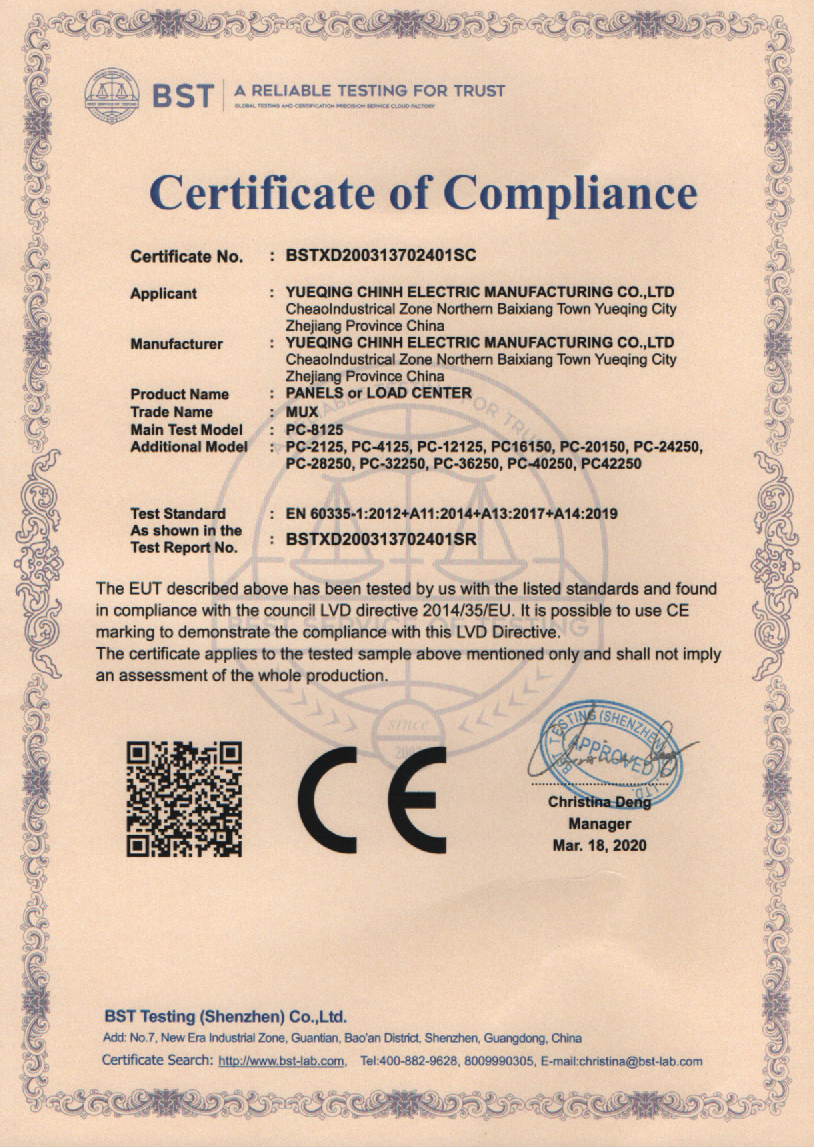
UL Certification is a mark that indicates a product has been tested and meets specific safety standards set by Underwriters Laboratories (UL). Founded in 1894, UL is an independent, global safety science company that is recognized for its rigorous testing and certification processes.
When electronic wiring and related components receive UL Certification, they demonstrate compliance with safety standards that minimize risks such as electrical fires, shocks, and other hazards. This certification is crucial not only for manufacturers but also for end-users, as it fosters trust and assurance in the quality and safety of electrical products.
The Importance of UL Certification in Electronic Wiring
In the fast-evolving world of technology, electronic wiring plays a vital role in ensuring the functionality and safety of devices. Here are several key reasons why UL Certification is essential for electronic wiring:
Sustainability and Safety
UL Certification promotes sustainable practices within the manufacturing process. By adhering to strict safety standards, manufacturers are compelled to identify and mitigate risks associated with their products, fostering a safer environment for consumers and workers alike.
Regulatory Compliance
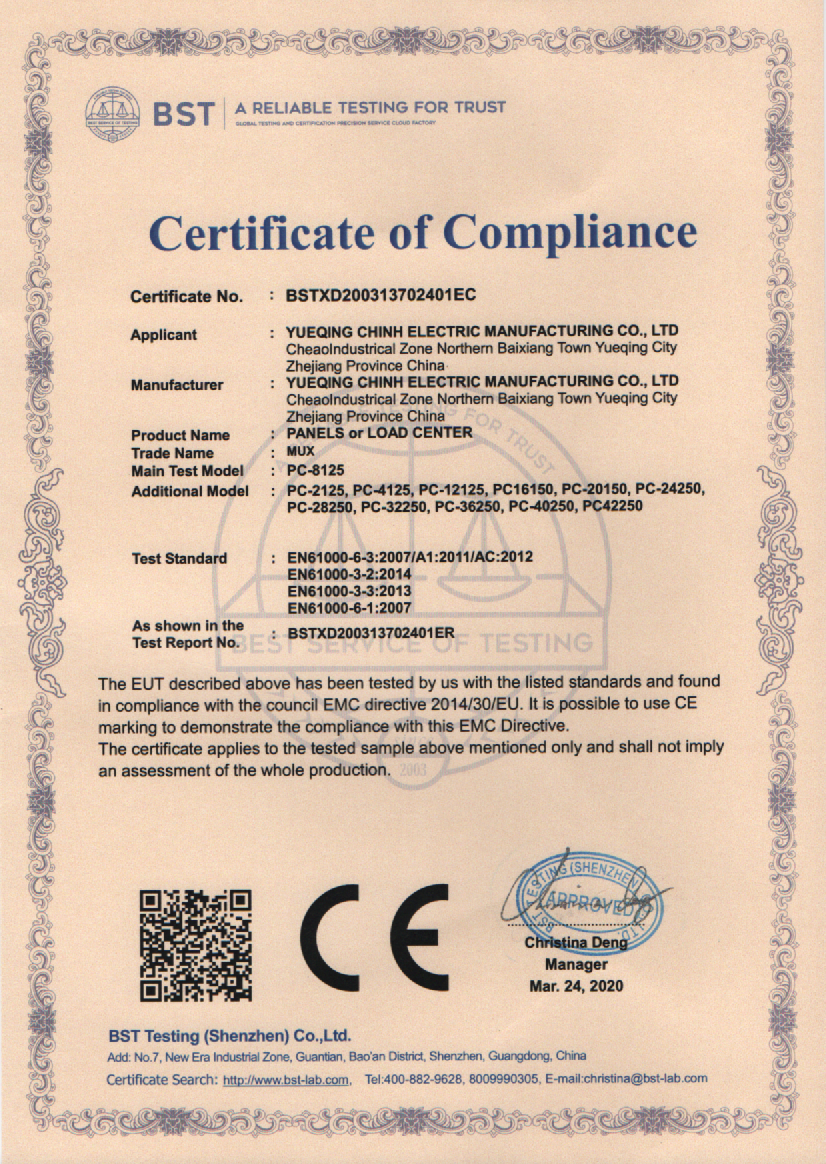
Many regions and countries require UL Certification as a prerequisite for compliance with local electrical codes and regulations. This compliance not only eases the path to market for manufacturers but also ensures that products adhere to globally recognized safety standards.
Market Advantage
Obtaining UL Certification provides a significant competitive edge for manufacturers in the marketplace. A UL mark signals to consumers and retailers that a product meets high safety standards, thereby enhancing brand reputation and potentially increasing sales.
How the UL Certification Process Works
The UL Certification process involves several steps that manufacturers must follow to obtain certification for their electronic wiring products:
Application Submission
Manufacturers begin by submitting an application along with product specifications to UL. This application provides UL with essential information about the product’s design, materials, and intended use.
Product Evaluation
Once the application is received, UL conducts a comprehensive evaluation. This evaluation may include a review of technical data, product samples, and design documentation. During this phase, UL assesses whether the product meets applicable safety standards.
Testing Procedures
UL performs rigorous testing on the product, focusing on various aspects such as flammability, electrical performance, and environmental impact. The testing protocols are designed to simulate real-world conditions that the wiring may encounter.
Certification Issuance
Upon successful completion of testing and evaluation, UL issues a certification mark, which manufacturers can then display on their products. This mark signifies that the product complies with UL’s stringent safety standards.
Continuous Monitoring
UL does not stop monitoring after certification is granted. Continuous surveillance is a vital aspect of the certification process. UL conducts periodic inspections and testing to ensure ongoing compliance with safety standards.
Benefits of UL Certification for Manufacturers
Obtaining UL Certification offers numerous advantages for manufacturers of electronic wiring:
Enhanced Quality Assurance
The certification process compels manufacturers to scrutinize their products closely, leading to improved quality assurance and minimizing defects.
Reduced Liability Risks
By meeting UL safety standards, manufacturers can significantly reduce the risk of product failures that could lead to liability claims. This proactive approach to safety not only protects consumers but also safeguards the manufacturer's reputation.
Access to New Markets
UL Certification can open doors to new markets and distribution channels. Many retailers and distributors prefer or even require UL-certified products, allowing manufacturers to expand their reach.
Benefits of UL Certification for Consumers
Consumers also enjoy significant advantages when purchasing UL-certified electronic wiring products:
Assurance of Safety
The most significant benefit for consumers is the assurance that UL-certified products meet high safety standards. This reduces worries about electrical hazards, enhancing peace of mind during use.
Informed Decision Making
UL Certification provides consumers with essential information to make informed purchasing decisions. The UL mark serves as a trustworthy indicator of quality and safety.
Reduced Risk of Product Failure
With UL Certification, consumers can have confidence that the wiring and components they are purchasing are built to last and function correctly, thereby reducing the likelihood of product failure and associated risks.
UL Certification vs. Other Certifications
While several organizations provide product safety certification, UL Certification stands out due to its comprehensive testing standards and widespread recognition. Below, we compare UL Certification with other notable certifications:
IEC Certification
The International Electrotechnical Commission (IEC) offers certification focusing on international standards. While valuable, IEC certification may not carry the same level of recognition in specific markets compared to UL.
CSA Certification
Canadian Standards Association (CSA) certification is primarily recognized in Canada. While similar in intent to UL, the CSA may not provide the same market access and branding advantages in the United States.
ETL Certification
ETL certification, offered by Intertek, is similar to UL in that it involves testing for safety. However, UL is often preferred in the industry due to its long-standing reputation and established trust.
Chemical and Physical Testing in UL Certification
UL Certification involves extensive chemical and physical testing to ensure that electronic wiring is safe for consumer use:
Material Safety Testing
UL evaluates the materials used in the wiring for harmful substances and compliance with environmental regulations. This testing helps ensure that products are safe for consumers and the environment.
Electrical Testing
Electrical testing assesses the performance of wiring under various conditions, ensuring that it can handle the intended electrical load without overheating or failing.
Flammability Testing
Flammability testing is crucial for preventing electrical fires. UL tests materials to determine their ignition resistance and how they behave in the event of exposure to fire.
Frequently Asked Questions about UL Certification
1. What products require UL Certification?
All electronic products that involve electrical wiring may require UL Certification, including appliances, equipment, and various electrical components.
2. How long does the UL Certification process take?
The duration of the UL Certification process can vary depending on product complexity, but it typically takes several weeks to months.
3. Does UL Certification mean a product is free from all risks?
While UL Certification indicates compliance with safety standards, it does not guarantee that a product is risk-free in all situations.
4. Can UL Certification be revoked?
Yes, UL Certification can be revoked if a manufacturer fails to comply with UL’s ongoing monitoring requirements or if the product is found to be unsafe.
5. Is UL Certification recognized worldwide?
Yes, UL Certification is recognized in many countries around the world, making it a valuable asset for manufacturers looking to market their products internationally.
Conclusion
UL Certification is a cornerstone of safety in the electronic wiring industry. By ensuring that products meet stringent safety standards, UL plays a vital role in protecting consumers, reducing liability for manufacturers, and promoting high-quality practices. As technology continues to advance and our reliance on electrical products grows, the importance of UL Certification will only increase. Manufacturers and consumers alike should prioritize UL Certified products to ensure safety, quality, and peace of mind.
Relevant news

undefined
language
English
العربية
বাংলাদেশ
Български
Hrvatski
Česky
Dansk
Nederland
 Esperanto
Slovenski
Filipino
Suomi
Français
Maori
 Shqiptare
Georgian
 Euskara
Deutsch
Ελλάδα
ישראל
इंडिया
Magyarország
Ísland
Indonesia
Irlanda
Italia
日本語
Sovensko
Հայաստան
한국
Kyrgyz
ປະເທດລາວ
 Zulu
Latvian
Lithuanian
Luxembourgish
 Latinus
Macedonian
Малайская
Maltese
Монгол улс
 Cymraeg
ဗမာ
 தமிழ்
नेपाल
Norge
ایران
Polska
Portugal
România
Российская
Србија
 Slovak
Србија
 Slovak
Bosanski
Slovenian
Беларус
España
Sverige
Точик
ประเทศไทย
Türk
Azərbaycan
Uzbek
 Afrikaans
Việt Nam
Chinh Electric Manufacturing Co., Ltd. SEO Powered by www.300.cn