



Why Your Home Needs a High-Quality Meter Socket for Optimal Electrical Performance
Why Your Home Needs a High-Quality Meter Socket for Optimal Electrical Performance
Table of Contents
- 1. Introduction to Meter Sockets
- 2. The Importance of a Quality Meter Socket
- 3. Functionality and Features of Meter Sockets
- 4. Safety Considerations for Meter Sockets
- 5. Enhancing Energy Efficiency with Quality Meter Sockets
- 6. Proper Installation of Meter Sockets
- 7. Maintenance Tips for Meter Sockets
- 8. Frequently Asked Questions about Meter Sockets
- 9. Conclusion
1. Introduction to Meter Sockets
A **meter socket** is a critical component in your home’s electrical system. It serves as the connection point between the utility company’s electrical supply and your household wiring. While it may seem like a simple fixture, the significance of a **high-quality meter socket** cannot be overstated. In this article, we will delve into why investing in a durable and efficient meter socket is essential for any homeowner looking to ensure safety, performance, and reliability in their electrical systems.
2. The Importance of a Quality Meter Socket
When it comes to electricity, the quality of the components you choose can make a substantial difference. A high-quality meter socket offers several key benefits:
2.1 Enhanced Safety
Safety should always be the top priority when it comes to electrical installations. A **reliable meter socket** can significantly reduce the risk of electrical fires, overloads, and short circuits. Using substandard materials can lead to failures that may not only harm your electrical system but also pose a danger to your home and family.
2.2 Improved Reliability
A quality meter socket ensures consistent performance over the years. It can withstand harsh weather conditions, such as extreme temperatures and moisture, which can lead to premature wear and tear of lower-quality options. By selecting a high-quality product, homeowners can trust that their electrical systems will function reliably.
2.3 Cost-Efficiency
Choosing a high-quality meter socket can also be a cost-effective decision in the long run. While the initial investment may be higher than cheaper alternatives, the durability and efficiency of a premium socket can save you money on repairs and energy bills over time.
3. Functionality and Features of Meter Sockets
Understanding the features and functionality of meter sockets helps in selecting the right one for your home. Here are some crucial aspects to consider:
3.1 Types of Meter Sockets
There are several types of meter sockets available, including:
- **Standard Meter Sockets**: Designed for residential use, these sockets connect a home to the electrical grid.
- **Smart Meter Sockets**: These advanced sockets allow homeowners to monitor their energy usage in real-time, leading to better energy management.
- **Weatherproof Meter Sockets**: Ideal for outdoor installations, these sockets are designed to withstand the elements.
3.2 Materials and Build Quality
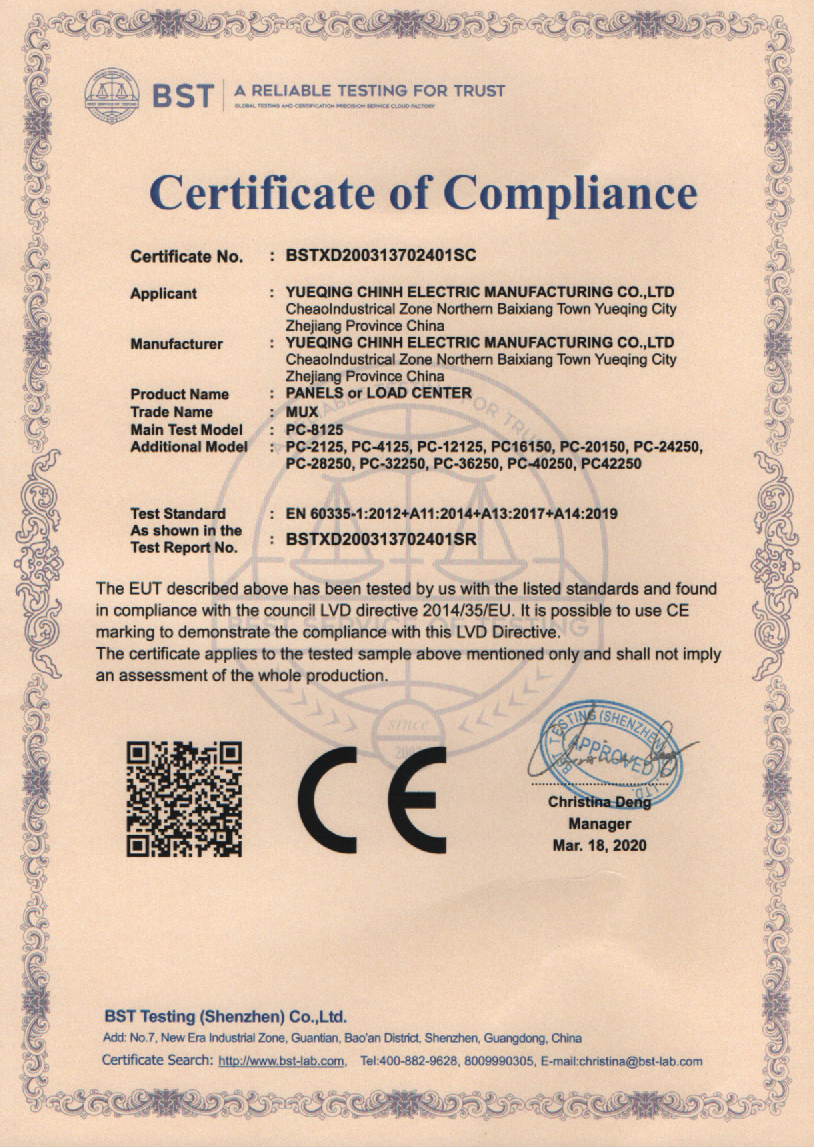
The materials used in the construction of a meter socket can greatly affect its performance. High-quality sockets are often made of durable metals and insulated with robust materials to prevent corrosion and electrical faults. Look for products that offer certifications from recognized standards organizations.
3.3 Amperage Ratings
Meter sockets come with various amperage ratings, commonly ranging from 100 to 400 amps. It’s essential to choose a meter socket that can handle your power requirements effectively. Overloading a socket can lead to dangerous situations, including electrical fires.
4. Safety Considerations for Meter Sockets
Safety is non-negotiable when dealing with electricity. Here are some considerations to ensure your meter socket meets safety standards:
4.1 Compliance with Local Codes
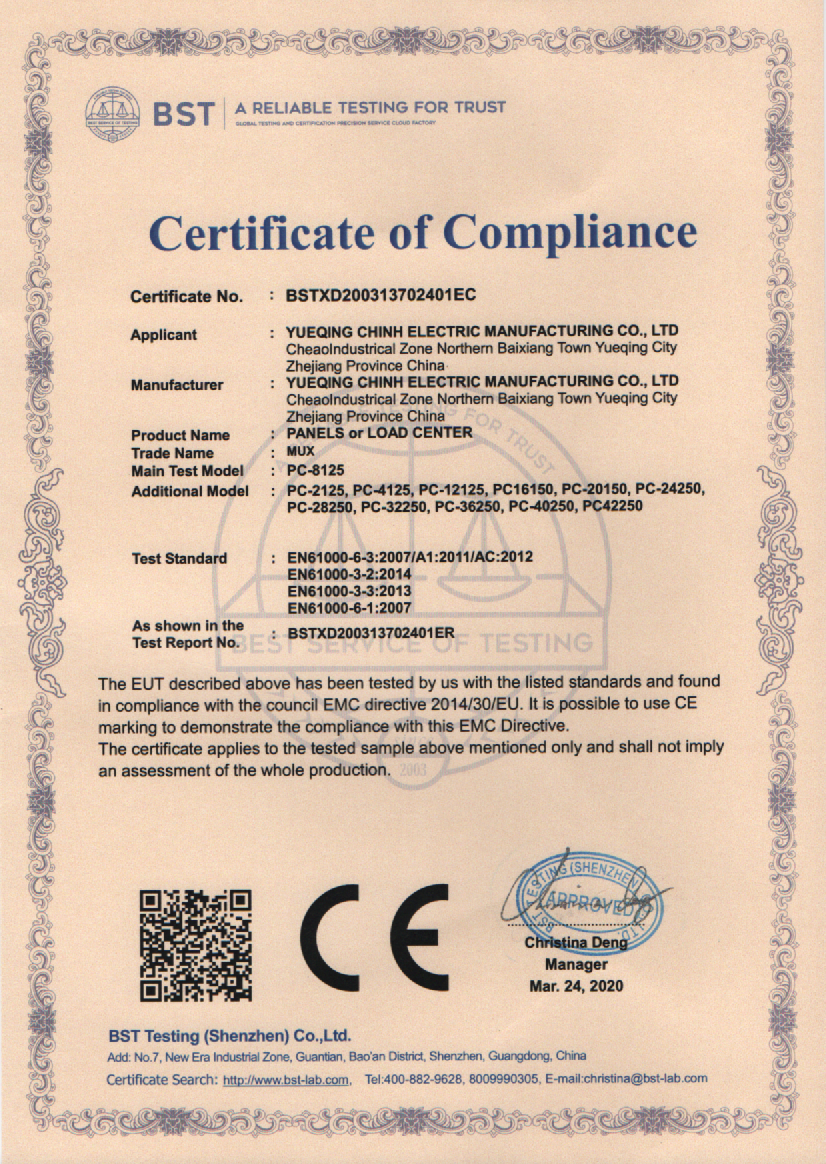
Always verify that your meter socket complies with local electrical codes and regulations. This compliance guarantees safety and can also be crucial for insurance purposes.
4.2 Regular Inspections
Conducting regular inspections can help detect any potential issues before they become serious problems. Look for signs of damage, corrosion, or overheating.
4.3 Professional Installation
Hiring a certified electrician for the installation of your meter socket is vital. Professionals have the expertise to ensure proper connections and adherence to safety practices.
5. Enhancing Energy Efficiency with Quality Meter Sockets
A high-quality meter socket can play a significant role in enhancing your home’s energy efficiency.
5.1 Real-Time Energy Monitoring
Smart meter sockets allow homeowners to monitor their energy consumption in real-time. Understanding usage patterns can lead to more informed decisions about energy-saving practices.
5.2 Reducing Energy Loss
A quality meter socket minimizes energy loss due to resistance in electrical connections. This efficiency can lead to lower energy bills and a reduced carbon footprint.
6. Proper Installation of Meter Sockets
Proper installation is crucial for the optimal performance of meter sockets. Here are the key steps involved:
6.1 Selecting the Right Location
When installing a meter socket, choose a location that is accessible and free from debris and moisture. This helps to ensure longevity and ease of maintenance.
6.2 Following Manufacturer Instructions
Each meter socket comes with specific installation instructions. Following these guidelines ensures you maintain the warranty and functionality.
6.3 Ensuring Secure Connections
All connections should be tight and secure to prevent arcing and overheating. Loose connections can lead to equipment failure and safety hazards.
7. Maintenance Tips for Meter Sockets
Regular maintenance can extend the life of your meter socket. Here are some important tips:
7.1 Routine Cleaning
Keep the area around the meter socket clean and free of debris. This will prevent moisture accumulation and corrosion.
7.2 Checking for Damage
Inspect the meter socket periodically for any signs of physical damage, such as cracks or discoloration. Replace any damaged components promptly.
7.3 Professional Servicing
Consider having a professional electrician perform routine check-ups on your meter socket and electrical system. Their expertise can catch potential problems before they escalate.
8. Frequently Asked Questions about Meter Sockets
8.1 What is a meter socket?
A meter socket is an electrical component that connects the utility company's power supply to a home. It houses the electric meter, which measures electricity consumption.
8.2 How do I know if my meter socket needs replacement?
Signs that your meter socket may need replacement include visible damage, corrosion, frequent power outages, or if it no longer meets local code requirements.
8.3 Can I install a meter socket myself?
While some homeowners may attempt DIY installations, it is highly recommended to hire a licensed electrician for safety and compliance with electrical codes.
8.4 What should I look for when purchasing a meter socket?
Look for durability, proper amperage ratings, compliance with local codes, and features such as weatherproofing or smart technology.
8.5 How often should I have my meter socket inspected?
It is advisable to have your meter socket inspected at least once a year, or more frequently if you notice any issues.
9. Conclusion
Investing in a **high-quality meter socket** is one of the most effective ways to ensure the safety, reliability, and efficiency of your home’s electrical system. From enhancing safety to improving energy efficiency, the benefits of choosing a durable and well-designed socket are substantial. With proper installation, ongoing maintenance, and the right product, homeowners can enjoy peace of mind knowing their electrical systems are built to last.
Relevant news

undefined
language
English
العربية
বাংলাদেশ
Български
Hrvatski
Česky
Dansk
Nederland
 Esperanto
Slovenski
Filipino
Suomi
Français
Maori
 Shqiptare
Georgian
 Euskara
Deutsch
Ελλάδα
ישראל
इंडिया
Magyarország
Ísland
Indonesia
Irlanda
Italia
日本語
Sovensko
Հայաստան
한국
Kyrgyz
ປະເທດລາວ
 Zulu
Latvian
Lithuanian
Luxembourgish
 Latinus
Macedonian
Малайская
Maltese
Монгол улс
 Cymraeg
ဗမာ
 தமிழ்
नेपाल
Norge
ایران
Polska
Portugal
România
Российская
Србија
 Slovak
Србија
 Slovak
Bosanski
Slovenian
Беларус
España
Sverige
Точик
ประเทศไทย
Türk
Azərbaycan
Uzbek
 Afrikaans
Việt Nam
Chinh Electric Manufacturing Co., Ltd. SEO Powered by www.300.cn