




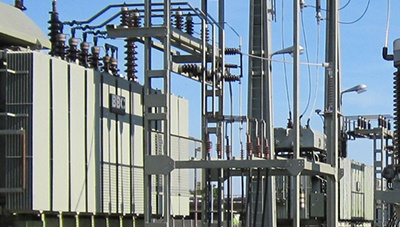


Designing with Panel Boards: Essential Tips for Electrical Engineers
Designing with Panel Boards: Essential Tips for Electrical Engineers
Table of Contents
1. Understanding Panel Boards: An Overview
2. Types of Panel Boards and Their Applications
3. Key Considerations in Panel Board Design
3.1 Load Calculation and Distribution
3.2 Safety Standards and Compliance
4. Selecting the Right Components for Your Panel Board
4.1 Circuit Breakers and Fuses
4.2 Busbars and Terminals
5. Designing for Efficiency: Best Practices
5.1 Space Management and Layout Optimization
5.2 Thermal Management Techniques
6. Common Pitfalls in Panel Board Design
7. Future Trends in Panel Board Technology
8. FAQs on Panel Board Design
9. Conclusion: Elevate Your Panel Board Design Skills
1. Understanding Panel Boards: An Overview
Panel boards are critical components in electrical distribution systems, acting as centralized hubs for circuit protection and control. By facilitating the efficient distribution of electricity to various circuits, panel boards ensure that electrical systems operate safely and effectively.
In essence, a panel board houses a series of circuit breakers or fuses, which protect electrical circuits from overloads and short circuits. Understanding the basic function of a panel board is crucial for electrical engineers who aim to design systems that are both reliable and efficient.
2. Types of Panel Boards and Their Applications
When it comes to panel boards, variety is the name of the game. Different types cater to various applications, and understanding these distinctions can greatly enhance the design process.
2.1 Lighting Panel Boards
Typically found in commercial buildings, lighting panel boards distribute power to lighting circuits. Their design focuses on lower amperage ratings and the integration of dimming controls.
2.2 Power Distribution Panels
These panels handle higher voltage and current levels, distributing electricity to heavy machinery and large electrical systems. Power distribution panels often incorporate more robust protective devices.
2.3 Motor Control Centers (MCCs)
MCCs are specialized panel boards designed for controlling electric motors. They integrate various control elements such as starters, overload relays, and control circuits, all within a single enclosure.
3. Key Considerations in Panel Board Design
Designing a panel board requires a careful balance of technical specifications, safety protocols, and user requirements. The following considerations are paramount:
3.1 Load Calculation and Distribution
Accurate load calculations form the backbone of any successful panel board design. By determining the total electrical load, engineers can appropriately size the panel board and its components, avoiding future complications.
3.2 Safety Standards and Compliance
Adherence to electrical safety standards is non-negotiable. Compliance with local codes and regulations, such as the National Electrical Code (NEC) in the United States, ensures that your design prioritizes safety and functionality.
4. Selecting the Right Components for Your Panel Board
Choosing the correct components is essential for optimizing performance and reliability in panel board design.
4.1 Circuit Breakers and Fuses
Circuit breakers and fuses are the primary protective devices in any panel board. Selecting the right type and rating is crucial to ensure adequate protection against overloads and short circuits.
4.2 Busbars and Terminals
Busbars serve as the backbone for electrical connections within panel boards. Their design should consider factors such as current-carrying capacity, heat dissipation, and mechanical support to enhance reliability.
5. Designing for Efficiency: Best Practices
Efficiency in design not only improves functionality but also reduces costs in the long run. Here are best practices to ensure optimal performance:
5.1 Space Management and Layout Optimization
An organized layout simplifies maintenance and troubleshooting. Optimize the panel board design by grouping similar circuits and strategically placing components to minimize wiring lengths.
5.2 Thermal Management Techniques
Excess heat can significantly impact the performance and lifespan of electrical components. Implement thermal management strategies, such as adequate ventilation and heat sinks, to maintain optimal operating temperatures.
6. Common Pitfalls in Panel Board Design
Even experienced engineers can encounter challenges during the design process. Awareness of common pitfalls can prevent costly mistakes.
One frequent error is underestimating load requirements, which can lead to circuit overloads and failures. Additionally, neglecting to incorporate adequate ventilation can result in overheating and equipment damage.
7. Future Trends in Panel Board Technology
The electrical engineering field is continually evolving, and panel board technology is no exception. Emerging trends include:
- Smart panel boards with integrated monitoring systems
- Enhanced digital interfaces for user-friendly operation
- Increased focus on energy efficiency and sustainability
These trends are shaping the future of panel board design, offering new opportunities for innovation and improvement.
8. FAQs on Panel Board Design
Q1: What is the function of a panel board?
A: A panel board serves as a centralized hub for distributing electrical power and protecting circuits through circuit breakers or fuses.
Q2: How do I calculate the load for my panel board?
A: The load is calculated by determining the total wattage of all devices connected to the panel and converting that value into amperage.
Q3: What are the safety standards I need to follow?
A: Compliance with local electrical codes, such as the NEC, is essential for ensuring safety in panel board design.
Q4: How can I improve thermal management in my design?
A: Implementing proper ventilation, using heat sinks, and ensuring adequate spacing between components can enhance thermal management.
Q5: What trends should I be aware of in panel board technology?
A: Key trends include the integration of smart technology, improved user interfaces, and a focus on energy efficiency.
9. Conclusion: Elevate Your Panel Board Design Skills
Designing with panel boards is a complex yet rewarding aspect of electrical engineering. By understanding the fundamentals, selecting the right components, and adhering to best practices, we can create reliable and efficient electrical systems. As technology advances, embracing new trends and innovations will further enhance our designs. With the insights provided in this article, we hope to empower electrical engineers to elevate their panel board design skills and contribute to safer, more efficient electrical systems.
Relevant news

undefined
language
English
العربية
বাংলাদেশ
Български
Hrvatski
Česky
Dansk
Nederland
 Esperanto
Slovenski
Filipino
Suomi
Français
Maori
 Shqiptare
Georgian
 Euskara
Deutsch
Ελλάδα
ישראל
इंडिया
Magyarország
Ísland
Indonesia
Irlanda
Italia
日本語
Sovensko
Հայաստան
한국
Kyrgyz
ປະເທດລາວ
 Zulu
Zulu
Latvian
Lithuanian
Luxembourgish
 Latinus
Macedonian
Малайская
Maltese
Монгол улс
 Cymraeg
ဗမာ
 தமிழ்
தமிழ்
नेपाल
Norge
ایران
Polska
Portugal
România
Российская
Србија
 Slovak
Србија
 Slovak
Bosanski
Slovenian
Беларус
España
Sverige
Точик
ประเทศไทย
Türk
Azərbaycan
Uzbek
 Afrikaans
Việt Nam
Chinh Electric Manufacturing Co., Ltd. SEO Powered by www.300.cn