





Top Features to Look for in a Reliable Distribution Box
Top Features to Look for in a Reliable Distribution Box
A distribution box is a critical component of electrical systems, used to distribute electrical power to various circuits safely and efficiently. Selecting the right distribution box can significantly impact the reliability and safety of your electrical setup. In this article, we will explore the essential features that one should consider when choosing a reliable distribution box.
1. Understanding the Purpose of a Distribution Box
Before delving into the key features, it’s essential to understand the primary purpose of a distribution box. Essentially, it serves as the central point where electrical power is distributed to various circuits. A robust distribution box protects electrical components and circuits from overloads, surges, and other electrical hazards.
2. Key Features of a Reliable Distribution Box
When evaluating a distribution box, several features stand out as indicators of reliability and functionality. Below, we provide a detailed examination of these features.
2.1. Material Quality
The material used to manufacture a distribution box plays a significant role in its durability and performance. Typically, distribution boxes are made from materials like:
- **Plastic**: Lightweight and resistant to corrosion, but may not withstand extreme conditions.
- **Metal**: Provides enhanced strength and durability, especially in outdoor settings. Stainless steel or galvanized options offer excellent corrosion resistance.
Choose a distribution box made from high-quality materials that can endure environmental stresses.
2.2. IP Rating (Ingress Protection)
The **IP rating** indicates how well a distribution box is protected against dust and water ingress. An IP rating is crucial for determining where the box can be safely installed:
- **IP20**: Suitable for indoor use only.
- **IP65**: Resistant to dust and low-pressure water jets, suitable for outdoor use.
Selecting a distribution box with an appropriate IP rating ensures reliability in various environments.
2.3. Size and Capacity
The size and capacity of the distribution box must align with your specific electrical needs. Consider:
- **Current Rating**: Measured in amperes, ensure the distribution box can handle the total load of all connected circuits.
- **Physical Size**: Assess the available space for installation and choose a box that fits without compromising accessibility.
2.4. Number of Circuits
The number of circuits a distribution box can accommodate is vital for future-proofing your electrical system. Ensure that the box has enough circuit slots for all current and anticipated future needs, allowing for easy expansion without needing to replace the box.
2.5. Safety Features
Safety should always be a priority when selecting a distribution box. Look for boxes that include:
- **Circuit Breakers**: Automatic circuit breakers protect against overloads and short circuits.
- **Surge Protection**: Integrated surge protectors help safeguard against voltage spikes.
- **Lockable Covers**: For added security, especially in public or commercial installations, lockable covers prevent unauthorized access.
2.6. Ventilation
A reliable distribution box should have adequate ventilation to dissipate heat generated by electrical components. Without proper ventilation, overheating can lead to system failures and potential hazards. Look for boxes with built-in ventilation slots or features that promote airflow.
2.7. Compliance with Electrical Standards
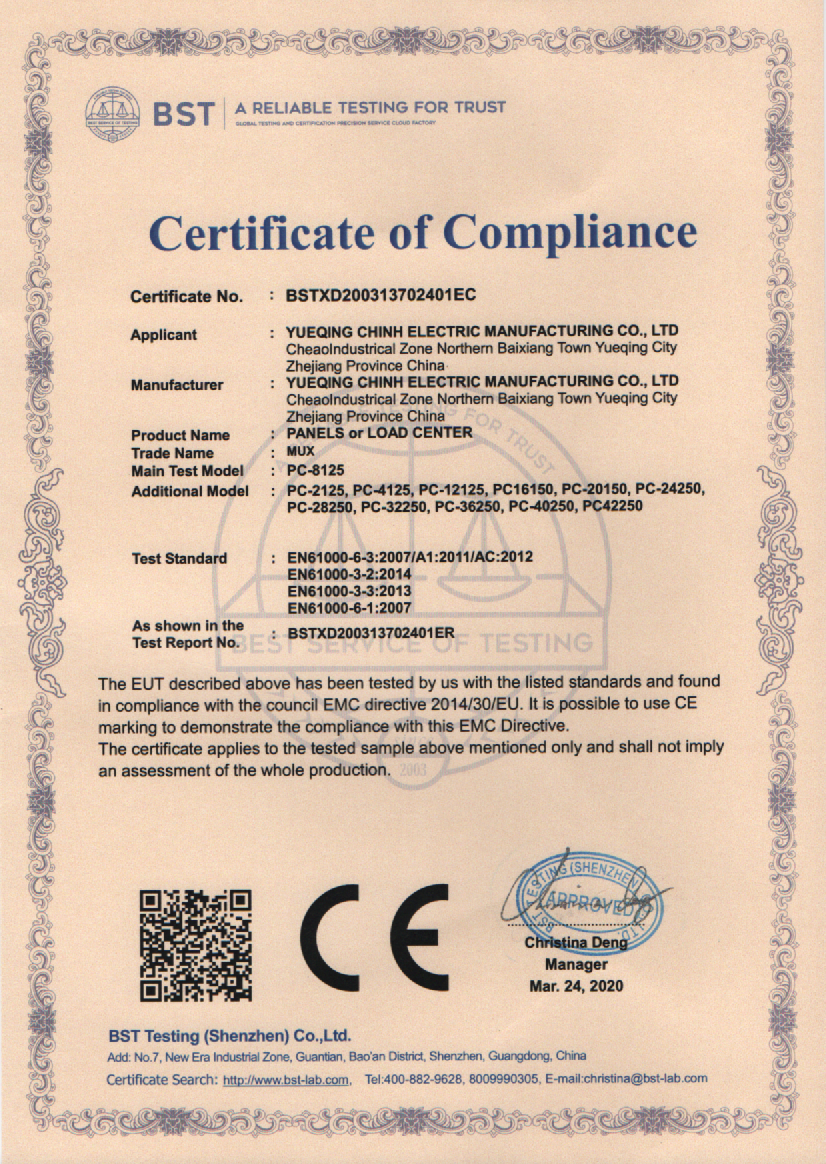
Ensure that the distribution box complies with local electrical standards and regulations. Compliance guarantees that the box meets safety and operational requirements, ensuring secure and efficient performance. Look for certifications from recognized standards organizations.
2.8. Installation and Maintenance Ease
Consider the ease of installation and ongoing maintenance. A reliable distribution box should be straightforward to install, with clear instructions and all necessary mounting hardware included. Additionally, accessibility for maintenance is crucial; features such as removable covers and labeled circuit slots facilitate easy upkeep.
3. Benefits of Choosing a High-Quality Distribution Box
Opting for a reliable distribution box enhances not only safety but also the overall efficiency of your electrical systems. Here are some benefits:
3.1. Improved Safety
A high-quality distribution box minimizes the risk of electrical fires, overloads, and system failures, protecting both property and lives.
3.2. Increased Longevity
Investing in a durable distribution box leads to long-term savings by reducing the need for replacements and repairs.
3.3. Enhanced Performance
A reliable distribution box ensures optimal performance of electrical systems, reducing downtime and enhancing productivity, especially in commercial settings.
4. Common Applications of Distribution Boxes
Understanding where distribution boxes are commonly used can help you appreciate their importance. Here are some typical applications:
4.1. Residential Use
In homes, distribution boxes manage power distribution to various circuits, including lighting, appliances, and HVAC systems.
4.2. Commercial Facilities
In commercial buildings, distribution boxes serve a larger role, managing power to extensive electrical systems and ensuring operational efficiency.
4.3. Industrial Environments
In industrial settings, durable and robust distribution boxes are crucial for handling heavy machinery and equipment loads, often exposed to harsh conditions.
5. FAQs About Distribution Boxes
5.1. What is the best material for a distribution box?
The best material depends on the environment. For outdoor use, metal boxes with corrosion-resistant coatings are ideal. For indoor use, high-quality plastic can suffice.
5.2. How do I choose the right IP rating for my distribution box?
Choose an IP rating based on the installation environment. Indoor applications require at least IP20, while outdoor installations should aim for IP65 or higher.
5.3. Can I install a distribution box myself?
Yes, but ensure you have the necessary skills and knowledge of electrical systems. Always prioritize safety and consider hiring a qualified electrician if unsure.
5.4. How often should a distribution box be inspected?
Regular inspections are recommended at least once a year, or more frequently if used in a high-demand or harsh environment.
5.5. What features should I look for if I plan to expand my electrical system?
Choose a distribution box with additional circuit slots, adequate capacity, and room for ventilation to accommodate future expansion.
6. Conclusion
Selecting the right distribution box is crucial for ensuring the safety, reliability, and efficiency of your electrical systems. By understanding the key features to look for—such as material quality, IP rating, safety features, and compliance with standards—you can make an informed decision that meets your electrical needs. Investing in a high-quality distribution box not only enhances safety but also contributes to the longevity and performance of your electrical systems. Whether for residential, commercial, or industrial applications, prioritizing these features will lead to better outcomes and peace of mind.
In summary, a reliable distribution box serves as the backbone of an efficient electrical system, and careful selection based on the features outlined in this article will help ensure you choose the best option for your unique requirements.
Relevant news

undefined
language
English
العربية
বাংলাদেশ
Български
Hrvatski
Česky
Dansk
Nederland
 Esperanto
Slovenski
Filipino
Suomi
Français
Maori
 Shqiptare
Georgian
 Euskara
Deutsch
Ελλάδα
ישראל
इंडिया
Magyarország
Ísland
Indonesia
Irlanda
Italia
日本語
Sovensko
Հայաստան
한국
Kyrgyz
ປະເທດລາວ
 Zulu
Latvian
Lithuanian
Luxembourgish
 Latinus
Macedonian
Малайская
Maltese
Монгол улс
 Cymraeg
ဗမာ
 தமிழ்
नेपाल
Norge
ایران
Polska
Portugal
România
Российская
Србија
 Slovak
Србија
 Slovak
Bosanski
Slovenian
Беларус
España
Sverige
Точик
ประเทศไทย
Türk
Azərbaycan
Uzbek
 Afrikaans
Việt Nam
Chinh Electric Manufacturing Co., Ltd. SEO Powered by www.300.cn