



A Comprehensive Guide to Types of UL Electronic Wire Available Today
A Comprehensive Guide to Types of UL Electronic Wire Available Today
Table of Contents
- 1. Introduction to UL Electronic Wires
- 2. Importance of UL Certification in Electronic Wires
- 3. Types of UL Electronic Wire
- 3.1 UL 1007: Multi-Conductor Wire
- 3.2 UL 1015: Thermoplastic Insulated Wire
- 3.3 UL 1227: UL Flexible Wire
- 3.4 UL 1581: Wire and Cable for Marine Applications
- 3.5 UL 2464: Power and Control Cables
- 4. Application Areas of UL Electronic Wires
- 5. Safety Standards and Regulations
- 6. How to Choose the Right UL Electronic Wire
- 7. Maintenance and Care for UL Electronic Wires
- 8. Frequently Asked Questions
- 9. Conclusion
1. Introduction to UL Electronic Wires
UL electronic wires are essential components in modern electrical systems, serving a variety of applications across industries. These wires are specifically designed to meet strict safety standards set by Underwriters Laboratories (UL), a globally recognized organization that tests and certifies products for safety and performance. Understanding the different types of UL electronic wire available today is crucial for anyone involved in electrical installations, whether you're a seasoned professional or a DIY enthusiast.
In this comprehensive guide, we will delve into the various types of UL electronic wires currently on the market, their specific applications, and the importance of selecting the right wire for your needs.
2. Importance of UL Certification in Electronic Wires
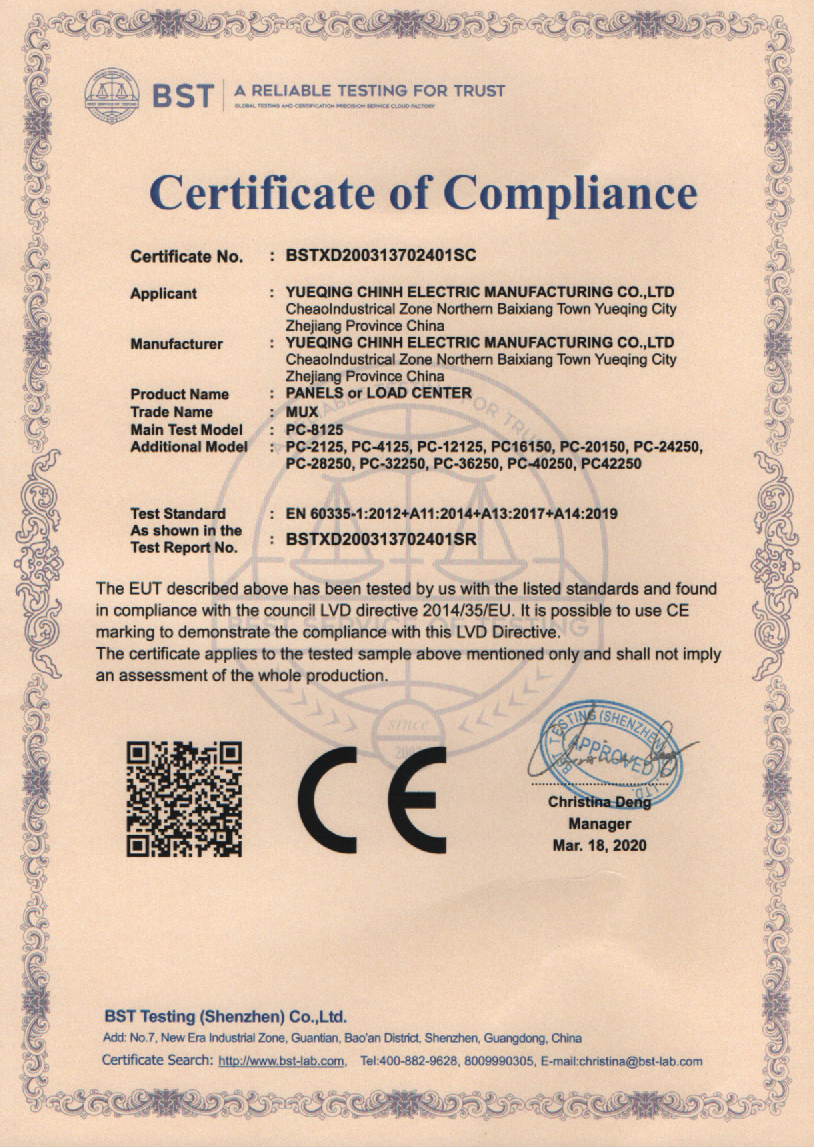
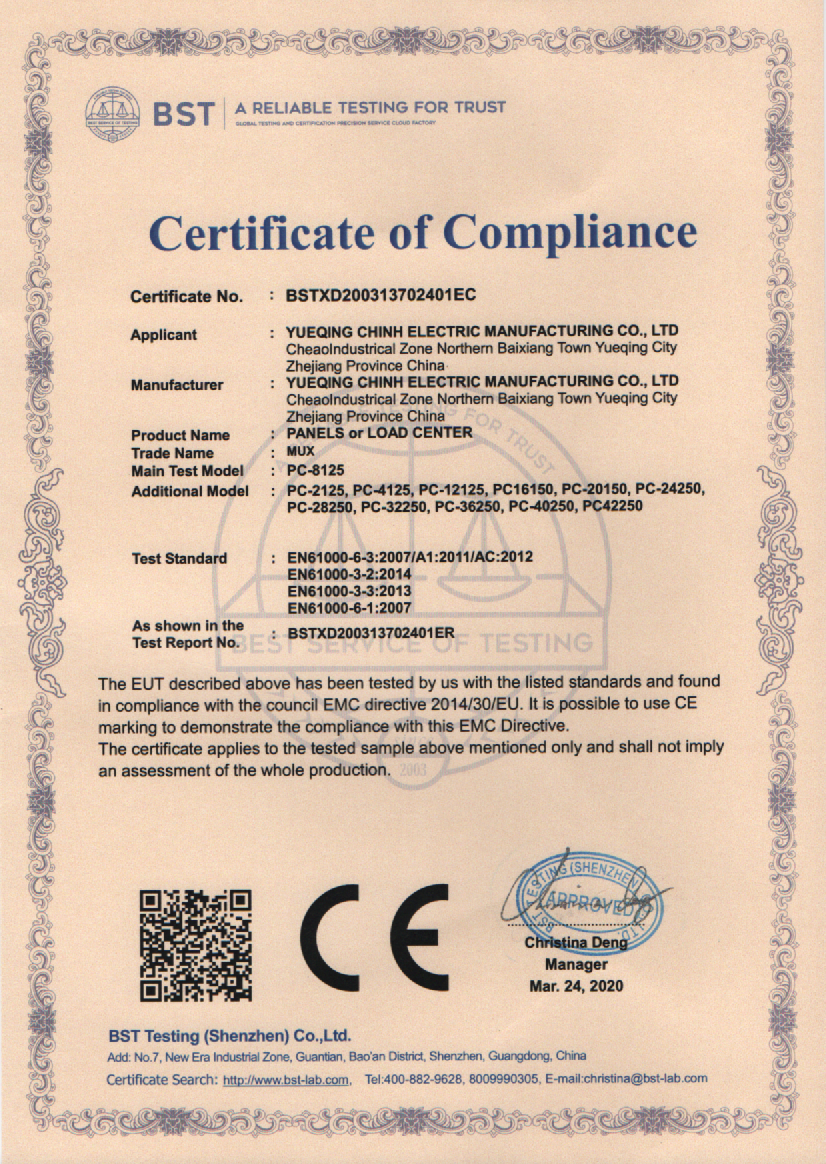
Choosing UL-certified electronic wires is vital to ensure safety and reliability in electrical installations. UL certification indicates that a product has been thoroughly tested and meets stringent safety standards. This includes assessments for factors such as:
- **Fire Resistance**: Ensuring that wires can withstand high temperatures and prevent fire hazards.
- **Electrical Conductivity**: Guaranteeing that wires maintain adequate conductivity without excessive heat generation.
- **Durability**: Assessing the wire’s resistance to environmental factors such as moisture, chemicals, and abrasion.
Using UL-certified wires not only enhances the safety of electrical systems but also helps in compliance with local and national electrical codes, ultimately reducing the risk of electrical fires and malfunctions.
3. Types of UL Electronic Wire
The market offers a range of UL electronic wires, each designed for specific applications and environments. Here, we explore some of the most common types:
3.1 UL 1007: Multi-Conductor Wire
UL 1007 wire is a multi-conductor cable that is flexible and suitable for various electronic applications. It is commonly used in control panels, sensors, and communication systems. This wire is often employed where space is limited and flexibility is essential, such as in robotics and equipment where movement occurs.
3.2 UL 1015: Thermoplastic Insulated Wire
UL 1015 wire is a thermoplastic insulated wire known for its durability and heat resistance. It is frequently used in appliance wiring, power tools, and various electronic devices. The thermoplastic insulation provides excellent protection against abrasion and environmental damage, making it suitable for indoor and outdoor applications.
3.3 UL 1227: UL Flexible Wire
UL 1227 is designed for flexible applications, allowing for high mobility and bending without compromising performance. This wire is often used in robotics, moving equipment, and other applications requiring dynamic movement. Its flexibility and robustness make it ideal for applications where traditional rigid wires might fail.
3.4 UL 1581: Wire and Cable for Marine Applications
UL 1581 is specifically tailored for marine environments. This wire is designed to resist moisture, chemicals, and mechanical stress typically found in marine applications. It is indispensable for boat wiring, marine electronics, and offshore installations, providing safety and reliability in challenging conditions.
3.5 UL 2464: Power and Control Cables
UL 2464 cables are designed for power and control applications. These wires are commonly used in industrial settings where high performance and durability are essential. With their robust construction, UL 2464 cables can withstand harsh environments and are often employed in manufacturing, automation, and large-scale electrical installations.
4. Application Areas of UL Electronic Wires
UL electronic wires find applications in various sectors, including:
- **Industrial Automation**: Used in robotic systems, control panels, and machinery.
- **Consumer Electronics**: Powering devices such as computers, televisions, and appliances.
- **Telecommunications**: Supporting communication systems with reliable connectivity.
- **Marine Applications**: Wiring boats and marine electronics that require moisture resistance.
- **Automotive**: Employed in vehicle wiring harnesses and electronic systems.
Understanding the specific applications of different UL electronic wires is crucial for selecting the right type for your projects.
5. Safety Standards and Regulations
Adhering to safety standards is paramount when working with electrical systems. The National Electrical Code (NEC) and local regulations dictate the use of UL-certified products in electrical installations. Familiarizing yourself with these regulations ensures compliance and enhances safety in your projects. Utilizing UL-certified wires not only protects users but also ensures warranties and insurance coverages remain valid.
6. How to Choose the Right UL Electronic Wire
Selecting the appropriate UL electronic wire involves several considerations:
- **Application Requirements**: Determine the environment and application for the wire. For example, choose marine-rated wires for outdoor installations.
- **Wire Gauge**: Select the appropriate gauge based on the current-carrying capacity needed for your application.
- **Insulation Type**: Consider the insulation material based on thermal and environmental factors. Thermoplastic insulation is suitable for most applications, while specialized insulation may be needed for extreme environments.
- **Flexibility Needs**: Evaluate whether flexibility is essential for your project, especially in moving applications.
Taking these factors into account will help you make an informed decision when selecting UL electronic wire.
7. Maintenance and Care for UL Electronic Wires
Proper maintenance of UL electronic wires is crucial to ensure longevity and performance. Here are some best practices:
- **Regular Inspections**: Periodically check for signs of wear and tear, including fraying or discoloration of insulation.
- **Temperature Monitoring**: Ensure wires do not exceed their rated temperature limits, which can lead to insulation breakdown.
- **Moisture Management**: Keep wires dry and protected from excessive moisture that could lead to corrosion or short circuits.
- **Proper Installation**: Follow manufacturer guidelines for installation to avoid stress or damage to the wires.
By adhering to these maintenance practices, you can prolong the life of your UL electronic wires and enhance safety in your electrical systems.
8. Frequently Asked Questions
What does UL stand for?
UL stands for Underwriters Laboratories, a safety certification organization that tests and certifies products, including electrical wires, to ensure they meet safety standards.
Why is UL certification important for electronic wires?
UL certification is essential because it guarantees that the wiring has been tested for safety, performance, and compliance with industry standards, reducing the risk of electrical hazards.
Can I use non-UL-certified wires for my electrical projects?
Using non-UL-certified wires is risky, as they may not meet safety standards, increasing the likelihood of electrical failures, fires, or accidents.
How do I determine the right wire gauge for my project?
The right wire gauge can be determined by considering the current requirements of your application and following the guidelines set by the National Electrical Code (NEC).
What are the common applications for UL 1015 wire?
UL 1015 wire is commonly used in appliance wiring, power tools, and a variety of electronic devices due to its durability and heat resistance.
9. Conclusion
In conclusion, understanding the types of UL electronic wires available today is essential for anyone involved in electrical installations. With various options tailored for specific applications and environments, selecting the right wire ensures safety, reliability, and compliance with industry standards.
By familiarizing yourself with the features and applications of different UL electronic wires, you can make informed decisions that contribute to successful electrical projects. Always prioritize UL-certified products to enhance safety and performance in your electrical systems, paving the way for a secure and efficient environment.
Relevant news

undefined
language
English
العربية
বাংলাদেশ
Български
Hrvatski
Česky
Dansk
Nederland
 Esperanto
Slovenski
Filipino
Suomi
Français
Maori
 Shqiptare
Georgian
 Euskara
Deutsch
Ελλάδα
ישראל
इंडिया
Magyarország
Ísland
Indonesia
Irlanda
Italia
日本語
Sovensko
Հայաստան
한국
Kyrgyz
ປະເທດລາວ
 Zulu
Latvian
Lithuanian
Luxembourgish
 Latinus
Macedonian
Малайская
Maltese
Монгол улс
 Cymraeg
ဗမာ
 தமிழ்
नेपाल
Norge
ایران
Polska
Portugal
România
Российская
Србија
 Slovak
Србија
 Slovak
Bosanski
Slovenian
Беларус
España
Sverige
Точик
ประเทศไทย
Türk
Azərbaycan
Uzbek
 Afrikaans
Việt Nam
Chinh Electric Manufacturing Co., Ltd. SEO Powered by www.300.cn